
The juwai morning teer result is the outcome of the morning archery lottery session held in Juwai, a town in the West Jaintia Hills district of Meghalaya, and it is one of the earliest teer results announced anywhere in the state each day. Every working day, the morning session in Juwai produces two results, one for the first round and one for the second round, and both are declared well before noon. Thousands of followers check these morning numbers before the rest of the day’s teer activity even begins, which makes this session one of the most watched parts of the daily teer calendar.
This guide is a complete walkthrough of the morning session in Juwai. It explains what the session is, when the first round and second round are usually declared, how the archery based game actually works on the ground, how to read a two digit result correctly, where to check the outcome online, how the morning session compares with the afternoon sessions, and the legal background of the game in Meghalaya. Everything here is evergreen and informational, so it stays useful day after day. Teer is a legal lottery in Meghalaya, open to adults aged 18 and above only, and it should always be enjoyed responsibly.

What Is Juwai Morning Teer
Juwai morning teer is the morning edition of the archery based teer lottery held in Juwai town. Like all teer games in Meghalaya, it is organised by a licensed archery association and conducted under the framework of the Meghalaya Amusements and Betting Tax Act. The morning session takes place in the late morning hours and finishes around midday, well before the afternoon sessions that most people associate with teer.
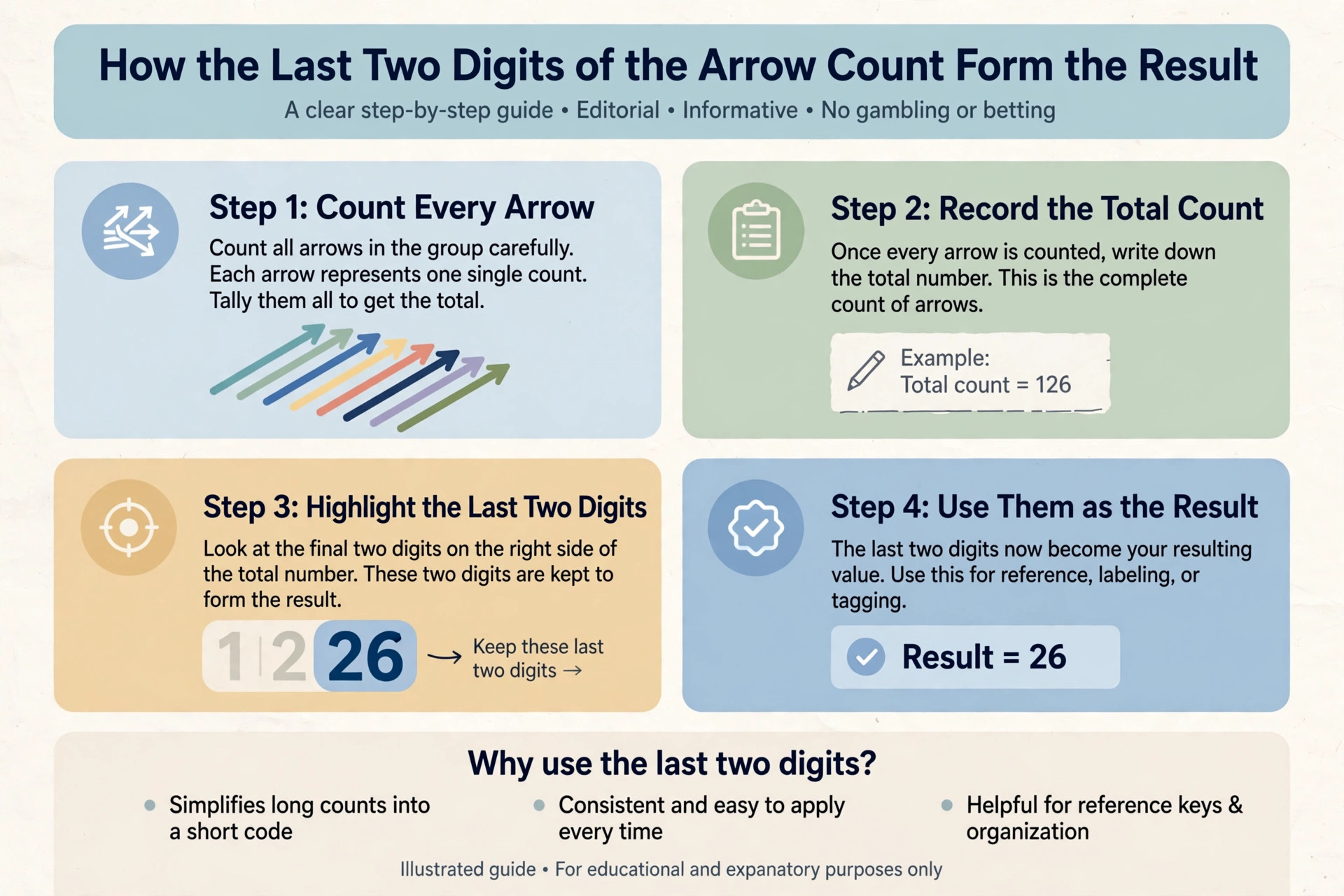
The phrase juwai morning teer simply names this morning edition of the game. Players place their entries at authorised counters before the round begins, and once the archers have finished shooting, officials count the arrows that struck the target. The last two digits of that count become the declared result for the round. The juwai morning teer result is therefore published twice each working day, once for the first round and once for the second round, and both numbers follow the same two digit format used across every teer centre in Meghalaya.
Juwai is a separate teer centre from Shillong. Shillong runs its own morning session as well as the famous afternoon session, while Juwai runs a morning session and a separate afternoon session of its own. Each centre conducts its own archery, its own counting, and its own announcement, so the result at Juwai never affects the result at Shillong or anywhere else. Many followers check both towns, but the numbers from each town belong only to that town’s session.
Why the morning session draws so much attention
The morning session sets the rhythm for the whole teer day. Because its results come out hours before the afternoon rounds, many followers check the morning teer in Juwai first and then follow the afternoon sessions later. For people in the Jaintia Hills region, the morning session is also the most convenient to attend in person, since the teer ground sits close to local markets and workplaces and the event wraps up around midday.
The pace of the session adds to its appeal. A teer round involves a fixed number of archers shooting a fixed number of arrows, so the event moves briskly. Spectators at the ground can watch the archery, hear the announcement, and be on their way within a short time. The morning teer juwai session keeps this compact format, which is one reason it holds a loyal daily audience.
Juwai Morning Teer Result Today and the Usual FR and SR Timings
The juwai morning teer result today follows the same two stage pattern as every working day. The first round, commonly called FR, is declared first, and the second round, commonly called SR, follows after a short gap. Understanding this structure is the key to following the morning session correctly, so here is how each stage usually unfolds.
First round timing
The first round of the Juwai morning session is usually declared at around 11:00 AM Indian Standard Time. Archers take their positions at the ground in the morning, the shooting begins, and once the arrows are counted the organisers announce the FR number. Online result pages typically reflect the announcement within a few minutes of the declaration at the ground.
Exact timings can shift slightly from day to day. Weather, the number of participating archers, and operational matters at the ground can move the announcement a few minutes earlier or later. Treat published times as the usual schedule rather than a guarantee, and check a reliable result page instead of assuming the number appears at an exact minute.
Second round timing
The second round usually follows at around 12:00 noon Indian Standard Time, roughly one hour after the first round. Fewer arrows are shot in the second round, but the counting and announcement process is identical. The juwai teer morning result for the second round completes the morning session, and the ground then prepares for the afternoon activity later in the day.

Weekly schedule and holidays
Teer in Meghalaya, including the Juwai morning session, is not held on Sundays. The archery associations observe Sunday as a rest day, so there is no juwai morning teer result on Sundays. On public holidays the schedule may change, and some holidays see the game suspended entirely. If a morning session is ever cancelled, there is simply no result for that day, and no number from another day or another town should be treated as a substitute.
How the Morning Session Works on the Ground
The morning teer juwai session follows the traditional format used across Meghalaya. A group of licensed archers gathers at the teer ground, each archer shoots a set number of arrows at a target placed at a fixed distance, and officials record every arrow that strikes the target. The mechanics are simple, open, and watched by a crowd, which is why the game has kept public trust for decades.
The first round
In the first round, fifty archers take part. Each archer shoots thirty arrows at the target. That means up to one thousand five hundred arrows can be shot in the round, although in practice the total number of arrows that actually hit the target is far lower. Officials count the hits carefully, and the last two digits of the total become the first round result.
The target is a cylindrical bundle of straw, and the archers use traditional bamboo bows. This traditional character is part of what makes teer different from other lotteries, and it is why the game is described as an archery based lottery rather than a simple draw of numbers. Spectators stand at a safe distance and watch the whole process, from the first volley to the final count.
The second round
The second round works the same way but with fewer arrows. Fifty archers again take part, and each archer shoots twenty arrows. Officials count the hits, take the last two digits of the total, and announce the second round result. Because fewer arrows are shot, the second round usually moves faster than the first.
Only archers who meet the association’s standards take part, and every session is supervised by the licensed organising body. The counting is done openly so that spectators and counter agents can follow it. This transparency is central to the game’s format and to the reason result announcements are accepted without dispute.
How to Read a Juwai Morning Teer Result
Reading a teer result is straightforward once you know the format. Every teer result, including the juwai morning teer result, is a two digit number between 00 and 99. The number comes from the count of arrows that hit the target: officials take the total number of hits and keep only the last two digits. For example, if the hit count ended in the digits 4 and 5, the published result would read 45. This is an example only, shown to explain the format, and it is not a real result.
Result pages always show the two rounds separately. You will see the date, the FR number, and the SR number, each clearly labelled. The pair together forms the complete morning result for that date. A single number without its round label tells only half the story, so always read FR and SR as a pair.
On days when you check early, you may see only the FR figure because the second round has not finished yet. That is normal. The SR figure is added when the second round’s outcome is declared. Wait for the complete pair before treating the entry as final.
How to Check Juwai Morning Teer Result Online
Checking the juwai morning teer result online takes less than a minute once you know the routine. Follow these steps each morning.
Step 1 – Open a reliable result page
Start from a result site you trust. On this site, the Juwai teer result page gathers Juwai outcomes, and the teer result list page presents daily lists in chronological order. The homepage also carries the latest updates.
Step 2 – Confirm the date and the session
Make sure the page shows today’s date and that the entry is labelled as the morning session. Some dates also carry afternoon and evening entries, and mixing them up is the most common reading mistake. The word morning in the label is what confirms you are looking at the juwai morning teer result and not another session.
Step 3 – Read the FR and SR numbers as a pair
Read both round numbers together with the date. If only FR is visible, the second round has not been declared yet. Come back after the usual SR time, around noon, for the complete entry.
Step 4 – Cross check if anything looks off
If a page shows only one round, an unclear date, or numbers that do not match what you saw elsewhere, wait and compare with another reliable source. Official results are consistent across honest publishers, so a mismatch usually means one page has not finished updating.
Morning Teer Juwai Compared With Other Sessions
Teer followers often compare the morning session in Juwai with other sessions, and the comparisons are useful as long as you remember that every session is independent. Here is how the morning teer juwai session sits alongside the main alternatives.
Juwai morning versus Juwai afternoon
Juwai runs both a morning session and an afternoon session. The morning session finishes around midday, while the afternoon session takes place later in the day with its own FR and SR declarations. The format is identical, but the results are completely separate. A morning number has no connection to the afternoon number on the same date.
Juwai morning versus Shillong morning
Shillong also runs a morning session, and its timings are close to Juwai’s morning timings. The two towns are different centres with different archers and different counts, so their results are unrelated. Followers who track both towns keep the records separate, town by town and session by session. You can read more about the Shillong morning round on the Shillong morning teer result page.
Juwai morning versus Khanapara sessions
Khanapara, near Guwahati in Assam, runs its own morning and afternoon sessions as well. The same principle applies: each centre’s result belongs only to that centre’s session. Comparing sessions is fine for general interest, but no session’s outcome influences any other.
The Background of Teer in Juwai and Meghalaya
Teer grew out of the archery traditions of the Khasi people of Meghalaya. Archery has deep cultural roots in the region, and the organised teer game took shape in the twentieth century as local archery clubs formalised their competitions. The state government later brought the game under regulation through the Meghalaya Amusements and Betting Tax Act, which made teer one of the few legal lotteries of its kind in India.
Juwai, as the headquarters of the West Jaintia Hills district, developed its own teer centre to serve the Jaintia Hills region. The morning session became its signature event, giving local players and spectators a session that fits the rhythm of market and work hours. Today the Juwai teer ground is a familiar morning landmark, and the session draws a steady crowd of spectators who watch the archery as a sport in its own right.
For general background on the game, the Lotteries in India article on Wikipedia gives a useful overview of how lotteries work in the country, and the Government of Meghalaya website is the official source for state information and regulations.

Responsible Play and Legal Standing
Teer is a legal lottery in the state of Meghalaya, organised under state regulation. That legal standing is one of the reasons the game is played openly at public grounds with published results. Outside the licensed framework, however, teer style betting is not legal, and players should only take part through authorised counters within Meghalaya.
Participation is for adults aged 18 and above only. If you choose to take part, do so responsibly. Treat the game as entertainment, set a strict limit on what you spend, never spend money you need for essentials, and never chase losses. The rounds are independent events, and no method of choosing numbers can change the outcome. This guide contains no prediction content of any kind, and you should be cautious of any source that claims to offer winning numbers or sure shot tips, because no such thing exists.
Frequently Asked Questions
What is the juwai morning teer result?
The juwai morning teer result is the published outcome of the morning teer session at Juwai in the West Jaintia Hills district of Meghalaya. It consists of two numbers, one for the first round (FR) and one for the second round (SR), recorded under the date of the session. It is the earliest session result of the day at Juwai and is usually complete before noon.
What time is the Juwai morning teer FR declared?
The first round of the Juwai morning session is usually declared at around 11:00 AM Indian Standard Time. Online result pages generally update within a few minutes of the announcement at the ground. Exact timings can shift slightly from day to day, so check a reliable result page rather than expecting the number at an exact minute.
What time is the Juwai morning teer SR declared?
The second round usually follows at around 12:00 noon Indian Standard Time, roughly one hour after the first round. Once the SR number is announced, the morning session is complete for the day. If you check before noon and see only the FR figure, that is normal, and the SR figure will be added when the second round is declared.
Is there a juwai morning teer result on Sunday?
No. Teer in Meghalaya is not held on Sundays, and the archery associations observe Sunday as a rest day. There is no morning session at Juwai on Sundays, and the schedule may also change on public holidays. If a session is cancelled, there is simply no result for that day.
How is the two digit result number calculated?
Officials count the total number of arrows that hit the target in the round and keep only the last two digits of that count. The result is therefore always a two digit number between 00 and 99. This counting method is the same in every teer centre in Meghalaya, which is why the format never changes.
Where can I check the juwai morning teer result today?
You can check it on reliable teer result websites shortly after each round is declared. On this site, the Juwai teer result page gathers Juwai outcomes and the teer result list page shows daily lists in order. Always confirm the date and the morning session label before reading the numbers.
Can past morning results predict future results?
No. Each teer session is an independent event, and past results do not influence future outcomes. Old records are useful for reference and for settling questions about what was published on a past date, but they cannot forecast the next result. Be cautious of any source that claims past numbers reveal future ones.
Conclusion
The juwai morning teer result opens the teer day in the Jaintia Hills, with the first round usually declared at around 11:00 AM and the second round at around noon. Once you understand the two round structure, the two digit format, and the difference between Juwai’s morning session and the other sessions of the day, following the results becomes simple. Check a reliable page, confirm the date and the morning label, and read FR and SR as a pair. For the latest updates and the full daily lists, visit the homepage or browse the teer result list page.