If you spend time around teer playing communities in Meghalaya, you will sooner or later hear someone mention a teer dream number. The phrase describes a folk custom in which a person links a dream from the night before to the numbers they feel drawn to when they take part in teer, the archery based lottery that operates legally in the state of Meghalaya. This article is a cultural folklore guide to that custom. It explains where the tradition comes from, how people discuss it in daily life, and why it endures as a social ritual. It is informational only and carries no betting advice. No dream, symbol, or story can change the outcome of a teer round, which is decided by archery held in public.
What Is the Teer Dream Number Tradition?
At its simplest, the teer dream number tradition is the practice of treating a dream as inspiration when choosing numbers for teer tickets. A player wakes up remembering a vivid dream, perhaps about an animal, a journey, or water, and shares the story with friends or fellow players. Through community storytelling, certain dream themes become associated in conversation with certain numbers. This association is folklore, not mathematics. It has been passed along by word of mouth for years, and it continues today in markets, tea stalls, and neighbourhood gatherings across Shillong, Juwai, and Khanapara.
To understand the custom, it helps to know how teer itself works. Teer is an archery based game in which skilled archers shoot arrows at a target, and the number of arrows that strike the target determines the declared result. Two rounds are held each playing day, commonly called the first round and the second round. Players buy tickets at authorised counters before each round, choosing two digit numbers. The result is a matter of archery skill and chance on that day, and it is announced publicly. Our Shillong teer result page explains how the daily rounds and timings are organised.
The dream number custom sits alongside the game rather than inside it. Nobody at the counter asks about your dream. The interpretation happens socially, before the ticket is bought, as a way of adding meaning and fun to the act of choosing. For many regular players, picking a number at random feels flat. Picking one inspired by a dream feels personal. The ritual turns a simple ticket into a small story about the night before, and the story can be retold whether the round goes the player’s way or not.
Students of play would recognise this pattern instantly. Games of chance around the world attract small rituals, and dreams are among the oldest sources of those rituals. In Meghalaya the custom grew naturally because teer is deeply woven into local life. It is not a foreign import or a recent internet invention. Ask older players and they will tell you that dream talk has accompanied teer for as long as they can remember. The internet later gave the conversation a wider stage, with people searching for terms like teer dream numbers and dream number teer, but the practice itself began in ordinary face to face conversation.
It is worth stating the boundary clearly. The tradition described here is a social and cultural phenomenon. Treating it as a method of winning would misunderstand both the folklore and the game. Teer results are produced by archery events that no dream can reach. Enjoy the stories as stories, and keep the game in its proper place as paid entertainment for adults.
The Cultural Roots of Dream Meaning in Meghalaya
Dreams have mattered in the hill cultures of Meghalaya for far longer than teer has existed. The Khasi, Jaintia, and Garo peoples have rich oral traditions in which dreams are discussed, remembered, and sometimes read as signs about the day ahead. Elders in many families still ask at the breakfast table what the children dreamed, and a striking dream can become the talk of the household. This cultural backdrop is the soil in which the teer dream number custom grew. The habit of paying attention to dreams was already there. Teer simply gave it a new, playful outlet.
Similar dream traditions exist across the world, which helps explain why the custom feels so natural to people here. The academic study of dream interpretation has a long history, and you can read an overview of how different civilisations have approached dreams on the dream interpretation page of Wikipedia. From ancient Egypt to modern psychology, human beings have treated dreams as meaningful. The Meghalaya version is distinctive because it ties dream talk to a specific local institution, the archery lottery, but the impulse is universal.
In Khasi culture especially, storytelling is a social art. A well told dream, with its strange images and sudden turns, is good material for conversation. When teer became a daily fixture of town life, dreams and numbers began to meet in that conversation. A memorable dream would be told and retold, and listeners would suggest what number it might correspond to. Over time, some themes developed widely repeated associations, while others stayed personal to the dreamer. The result is a living folklore that changes a little every year as new stories enter circulation and old ones fade.
It is important to recognise this as folklore rather than doctrine. There is no single official list, no ancient manuscript, and no authority that certifies which dream means which number. Different groups may associate the same dream theme with different numbers, and the same person may interpret the same dream differently on different days. That fluidity is exactly what marks it as folk culture. A fixed, authoritative chart would be a product. A shifting, debated set of associations is a tradition.
How the Dream Number Teer Practice Works in the Community
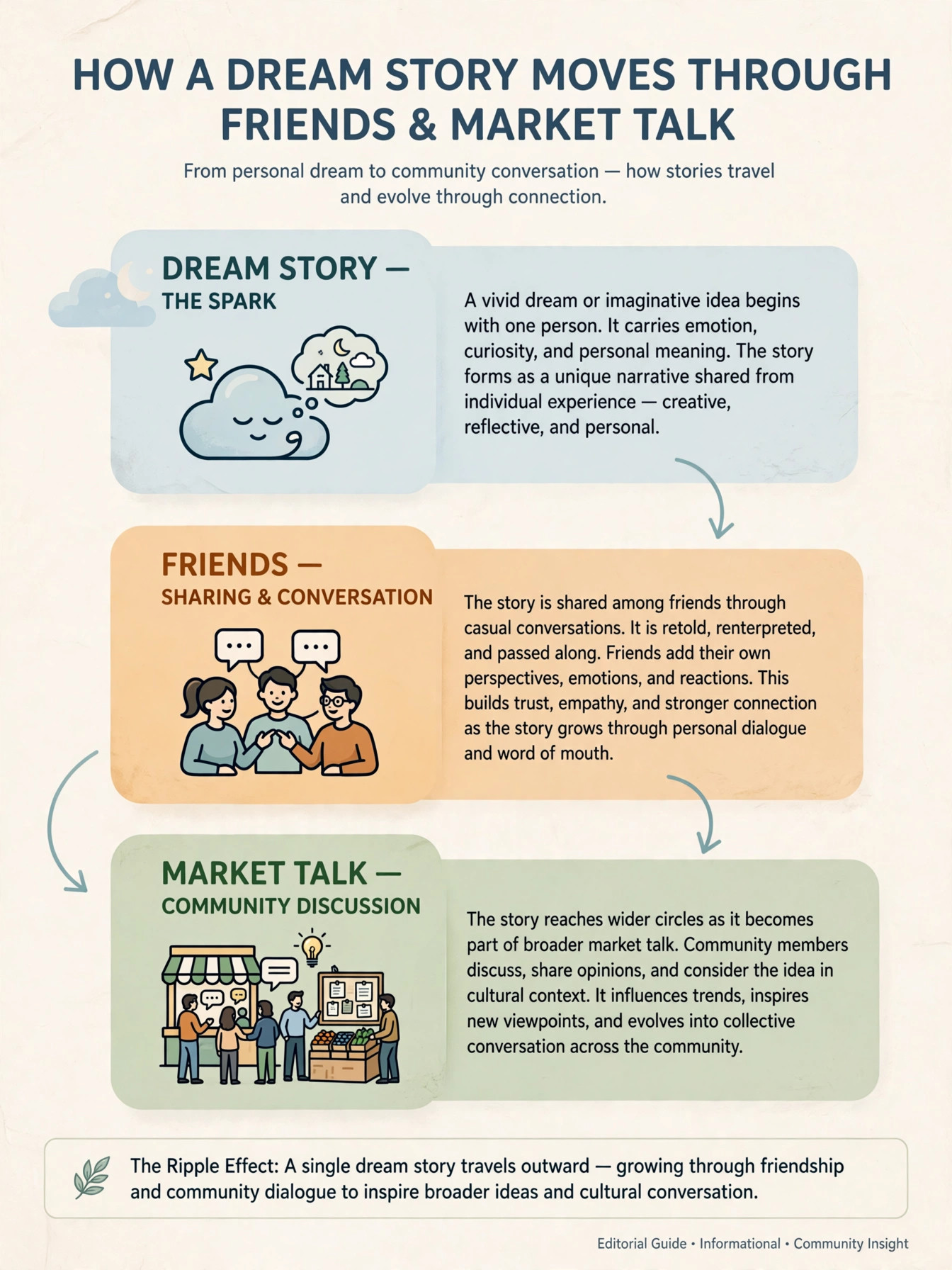
The dream number teer practice almost always begins with a conversation. Someone describes a dream from the night before. The listeners react, laugh, ask questions, and offer their own readings. The dreamer may then pick a number connected with the story, buy a ticket at a nearby counter, and report back the next day on what happened. Win or lose, the story continues. A win becomes legend and gets retold for weeks. A loss is shrugged off and the conversation moves to the next dream.
This social loop explains why the custom is so durable. It is not really about the number. It is about belonging. Sharing dreams is intimate, and interpreting them together builds trust and amusement in a group. Regular players often have standing arrangements with friends: whoever has the most interesting dream gets to suggest the number for the day. The ticket becomes a group project, and the round becomes a shared experience. When the result is declared, the group checks together and the storytelling continues.
Markets are the great amplifiers of this folklore. Around teer counters in Shillong and Juwai, the hours before a round are full of talk. Vendors, auto drivers, shopkeepers, and office goers exchange dream stories the way people elsewhere exchange sports news. A striking dream, a snake in the courtyard, a river in flood, a journey to a strange village, can travel from one stall to the next in a morning. Each retelling adds a detail. By the time the first round begins, the dream has become a small piece of neighbourhood theatre.
The custom also travels through families. Many players learned it from parents or older relatives who treated dream talk as a normal part of the day. A grandmother might listen to a grandchild’s dream and declare, with total confidence, what it signifies. The confidence is performative and affectionate rather than scientific. It is a way of passing down the habit of attention to dreams, and teer gives the younger generation a modern context in which to practise it.
Notice what the custom does not involve. There is no fee for an interpretation, no professional dream reader at the counter, and no secret manual sold under the table. The folklore is free and open. Anyone can offer a reading, and anyone can ignore it. That openness keeps the tradition honest as culture. The moment money changes hands for a guaranteed interpretation, the folklore has been replaced by exploitation, and players should treat any such offer with suspicion.
Common Dream Themes in Teer Dream Number Folklore
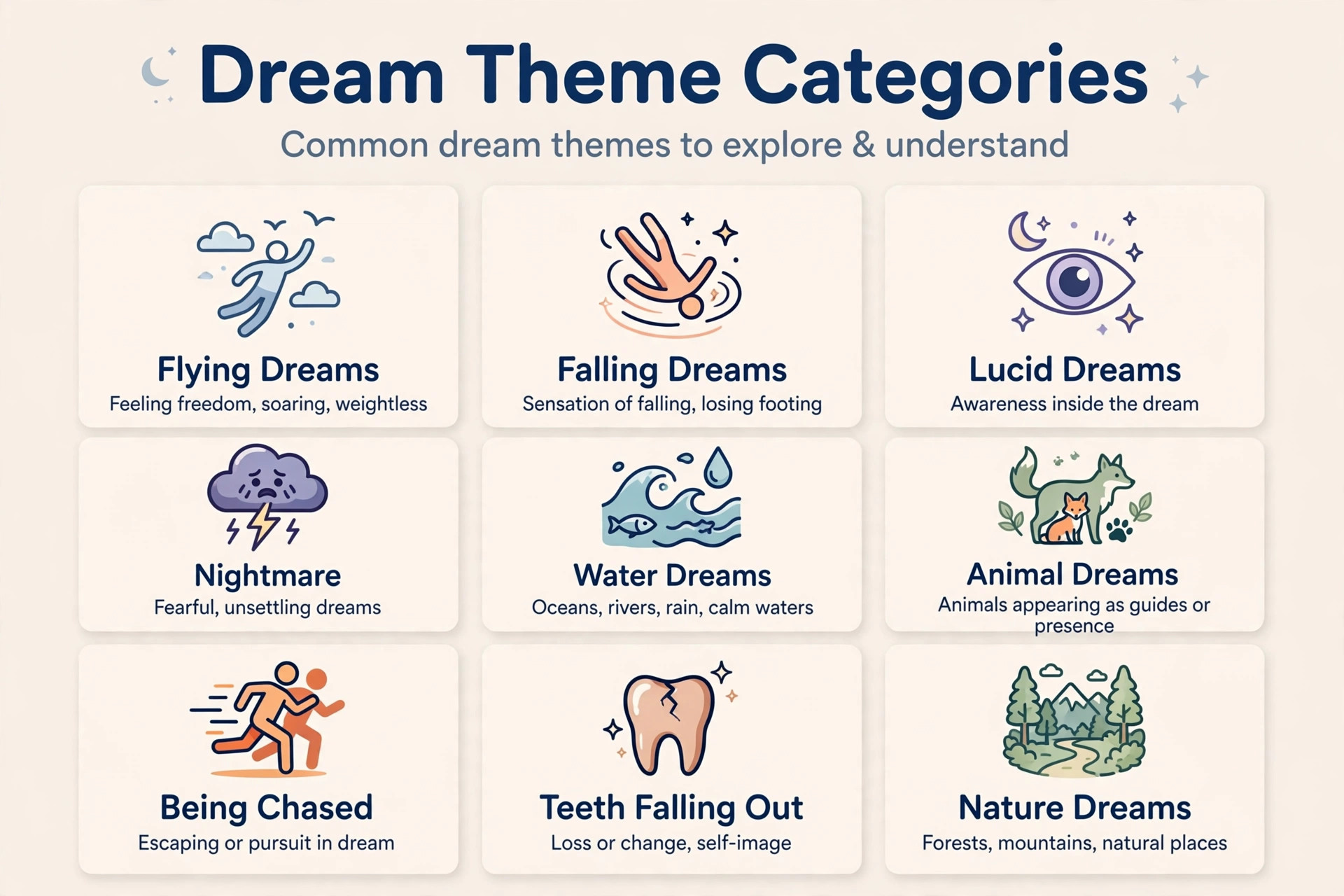
Folklore around the world groups dreams into broad themes, and the teer dream number tradition is no exception. People talk about dreams of animals, dreams of water, dreams of travel, dreams of family members, and dreams of money or food. The themes are discussed as categories of experience rather than as codes with fixed answers. Two people can dream about the same animal and take completely different numbers from it, and neither is considered wrong. The point of the conversation is the sharing, not the arithmetic.
Animal dreams are among the most frequently discussed. In a region where forests, rivers, and village life keep people close to animals, dreams of elephants, snakes, birds, fish, and cattle feel significant. Storytellers pay attention to what the animal was doing. A calm animal and an aggressive one tell different stories in the retelling, and the mood of the dream often matters more to the listeners than the species. Again, the interpretation stays conversational. The group enjoys the symbolism, and the number that emerges is treated as a playful choice rather than a prediction.
Water dreams form another large category. Rivers in flood, clear streams, wells, and rain all appear regularly in dream stories from Meghalaya, which is one of the wettest regions on earth. It is no surprise that water looms large in the local imagination, asleep and awake. In conversation, water is often read as a sign of movement and change, which fits the daily rhythm of a lottery town where fortunes feel fluid. But the reading is poetic, not predictive. Nobody seriously claims that a flooded river in a dream alters arrows on a target.
Dreams of travel and journeys are common too. A road to an unknown village, a bus that never arrives, a flight over the hills: these images invite elaborate interpretation because they mirror real anxieties and hopes. In the folklore, a journey dream often becomes an excuse to talk about the dreamer’s life, their plans, their worries, and the listeners respond with encouragement as much as with numbers. The social function is clear. The dream is a prompt for care and conversation, and the number is almost an afterthought.
Family and festival dreams carry special weight. Dreaming of a departed elder, a wedding, or a community festival touches on respect and memory, and interpreters tread more carefully with these stories. The tone of the conversation shifts from playful to reflective. Numbers may still be chosen, but the dream is honoured first as a meaningful experience in its own right. This respect for the dream as an experience, not merely as a ticket prompt, is one of the most attractive features of the tradition.
A final theme worth noting is the recurring dream. When someone reports the same dream two or three nights running, the community treats it as especially noteworthy. The repetition gives the storytellers more material and the listeners more to debate. Recurring dreams become serials, followed with interest over days. Whatever number is chosen, the real entertainment is the unfolding narrative. It is folklore doing what folklore has always done: turning private experience into shared culture.
Shillong Teer Dream Number Culture in Everyday Life
In Shillong, the teer dream number custom is part of the texture of daily life in a way that visitors often find charming. Morning conversations in many households include a quick round of dream reports before the day’s plans are discussed. By midday, the stories have migrated to workplaces and markets. By the time the afternoon round approaches, the dreams of the morning have been thoroughly chewed over by dozens of amateur interpreters. It is a gentle, good humoured ritual, and it costs nothing.
The custom also shows how teer functions as a social institution rather than merely a game. Teer counters are meeting points. The queue before a round is a place to catch up on news, and dream stories are reliable conversation starters. Newcomers to the city sometimes learn about the tradition before they learn the rules of the game itself. A colleague’s vivid dream, retold at the office, can be a visitor’s first encounter with the folklore.
Juwai and Khanapara have their own local flavours of the same custom. In Juwai, where the game has deep roots in Jaintia Hills culture, dream talk blends with local storytelling traditions. In Khanapara, near Guwahati, the custom meets the dream folklore of neighbouring Assam, and players sometimes compare notes across the state border. These regional variations are a reminder that the tradition is alive. It adapts to each place while keeping its core shape: a dream, a story, a number, and a laugh.
Digital life has added new channels without changing the essentials. Messaging groups dedicated to teer now carry dream stories alongside result updates. A player who wakes from a striking dream can share it with a group in seconds and collect a dozen interpretations before breakfast. The speed is new, but the pattern is the old one: tell the dream, hear the readings, pick a number, and see what the day brings. Our teer result list page is where many players check the declared outcomes after all the storytelling is done.
For an outsider, the healthiest way to appreciate the custom is as performance and play. The dreamer performs the dream, the listeners perform the interpretation, and the ticket is the souvenir of the performance. Seen this way, the tradition needs no justification beyond the pleasure it gives. It is a small daily theatre, staged in markets and chat groups, and it has been running for years.
Why Dream Meanings Cannot Change Teer Results
Enjoying the folklore is one thing. Believing that it influences results is another, and it is worth being clear about the difference. Teer results are determined by physical archery events. Archers shoot a set number of arrows at a target in front of witnesses, and the count of arrows hitting the target decides the declared number. Dreams, however vivid, have no mechanism by which to reach the archery ground. The two events belong to different worlds: one private and psychological, the other public and physical.
This is not a criticism of the tradition. Folklore does not need to be literally true to be valuable. People enjoy the dream number custom the way they enjoy horoscopes, lucky charms, and pre match rituals in sport: as a way of adding meaning and excitement to uncertainty. The problem only arises when the ritual is mistaken for a method. A method can be tested and would, if real, produce consistent results. The dream custom has been informally tested millions of times in the most public way possible, twice a day, and the results remain what they would be without it: unpredictable.
Understanding probability helps keep the custom in perspective. Each teer round is an independent event. Yesterday’s result, last week’s dreams, and this morning’s story have no bearing on today’s arrows. This independence is what makes the game a game of chance, and it is also what makes the dream ritual safe as entertainment. Because the ritual cannot change the outcome, it can be enjoyed without the burden of expectation. The dreamer is free to play with symbols precisely because the symbols are not load bearing.
There is also a psychological reason the custom feels convincing to some players. Human memory is selective. A player who dreams vividly, picks a number, and wins will remember and retell that story for years. The hundreds of times a dream led to a losing ticket are quietly forgotten. This is the well known pattern behind most gambling folklore, and recognising it does not spoil the fun. It simply puts the stories in their proper place as entertainment rather than evidence.
If you love the tradition, the best way to honour it is to keep it honest. Share the dream, enjoy the interpretations, and choose your number with a smile, while remembering that the result will be whatever the archers produce. Folklore kept honest stays delightful. Folklore oversold becomes a sales pitch, and the dream number custom deserves better than that.

Playing Responsibly: Legal Status and Age Rules
A folklore guide should also state the practical facts. Teer is a legal lottery in the state of Meghalaya, conducted under state regulation, and participation is restricted to adults aged 18 and above. Tickets are sold at authorised counters, and players should only ever buy from legitimate sellers. For background on how public activities in the state are administered, the Meghalaya government portal is the authoritative source.
The dream number custom is sometimes misunderstood by newcomers as a way to improve the odds. It is not, and presenting it that way would be dishonest. Treat any number chosen through dream interpretation exactly as you would a number chosen at random: as a paid entry in a game of chance with no guaranteed outcome. Set a budget before you play, never chase losses, and never borrow money to buy tickets. The moment the game stops being fun, it is time to stop playing.
Parents and community elders have a useful role here. The dream storytelling tradition is genuinely charming, and it can be shared with younger family members as pure folklore, as stories about symbols and imagination. The ticket buying part belongs strictly to adults. Keeping those two parts separate preserves the cultural value of the tradition while respecting the age rule that protects young people.
If you or someone you know finds it hard to stay within limits, the responsible step is to seek support and take a break from playing. No dream, however vivid, is worth financial distress. The folklore will still be there when you return, and the stories will be just as entertaining without a ticket attached.
Frequently Asked Questions About Teer Dream Numbers
What does teer dream number mean?
A teer dream number is a number a player chooses after interpreting a dream, as part of a folk custom in Meghalaya’s teer playing communities. The dream is shared and discussed with friends or fellow players, and the number is picked as a playful, personal choice rather than a prediction. The custom is cultural and social, and it has no effect on the archery results that decide each round.
Is there an official teer dream number list?
No. There is no official or authoritative list mapping dreams to numbers. The associations people discuss are folklore, passed along by word of mouth, and they vary from group to group and from person to person. Anyone presenting a fixed chart as official or guaranteed is misrepresenting the tradition, and players should treat such claims with scepticism.
Can a dream really predict a teer result?
No. Teer results are decided by archery events held in public, and a dream has no way to influence how many arrows strike the target. Many players enjoy interpreting dreams as a ritual that makes choosing a number more fun, but the outcome of each round is independent of any dream. Treating dream interpretation as entertainment rather than a method keeps the custom honest.
Where did the dream number custom come from?
The custom grew out of two older things: the hill cultures of Meghalaya, where dreams have long been discussed and remembered as meaningful experiences, and teer itself, the daily archery lottery around which town life partly revolves. When the game became a daily fixture, the existing habit of dream talk found a new playful outlet. It spread through markets, families, and neighbourhoods by word of mouth.
Is it legal to play teer based on a dream interpretation?
Teer is a legal lottery in Meghalaya for adults aged 18 and above, and the law does not regulate why a player picks a particular number. Choosing a number inspired by a dream is simply a personal choice within legal play. What matters legally is that you play only if you are 18 or older and buy tickets only from authorised counters.
How can I check teer results after playing?
Results are declared publicly after each round and are published on result websites the same day. You can check the declared first round and second round outcomes on the Teer Results homepage, which is updated with the day’s results. Always confirm a result from a reliable published source before assuming a ticket has won, and remember that results are final once declared.
Should children take part in dream number discussions?
Dream storytelling itself is harmless folklore and can be enjoyed as family culture, but buying teer tickets is strictly for adults aged 18 and above. It is wise to keep the two separate: share the imaginative stories with everyone, and leave the ticket counter to the adults. This preserves the charm of the tradition while respecting the age rule.
Conclusion
The teer dream number tradition is one of those customs that tells you a lot about a place. It shows how Meghalaya’s hill cultures treat dreams as worth remembering, how teer functions as a social institution and not just a game, and how ordinary people turn uncertainty into story and laughter. As folklore, it is rich, humane, and worth documenting. As a method of winning, it is nothing at all, and it is best enjoyed with that understanding firmly in place.
If you take one thing from this guide, let it be this: share the dream, enjoy the interpretations, and keep the game in perspective. The archers will do what archers do, the results will be what they are, and the stories will remain, win or lose, as part of the living culture of teer country. For the day’s declared outcomes, visit the Teer Results homepage, and remember to play responsibly and only if you are 18 or older.