The teer ticket price is the first thing every new player asks about, and it is a sensible question. Before you spend any money on Shillong teer, Juwai teer, or Khanapara teer, you should know what a ticket costs, where to buy one safely, and how to avoid overpaying or getting cheated. This guide explains the teer ticket price in plain terms, describes how tickets are sold at authorized counters, and shares practical buying tips. Teer is a legal, regulated archery-based lottery in Meghalaya for adults aged 18 and above. Play responsibly and never spend more than you can afford to lose.
Teer Ticket Price – What a Ticket Actually Costs
The teer ticket price is deliberately kept low so that the game stays accessible to ordinary people. A single teer ticket typically costs a small, fixed amount set by the organizing body, and players can buy as many or as few tickets as they like within their budget. Because prices are standardized, every authorized counter should charge you the same teer ticket price for the same type of ticket.
Be cautious if anyone quotes you a wildly different price. A seller charging far above the standard teer ticket price, or offering “discounted” tickets, is a red flag. Tickets are sold at face value through the official network, and there is no legitimate reason for the price to vary from counter to counter. If you are new and unsure about the current price, ask at two different authorized counters and compare. They should agree.
Prices can be revised from time to time by the organizers, so treat any specific figure you hear from friends as something to verify at the counter itself. This article focuses on how pricing works rather than quoting a number that could go out of date.
Where to Buy Teer Tickets – Authorized Counters
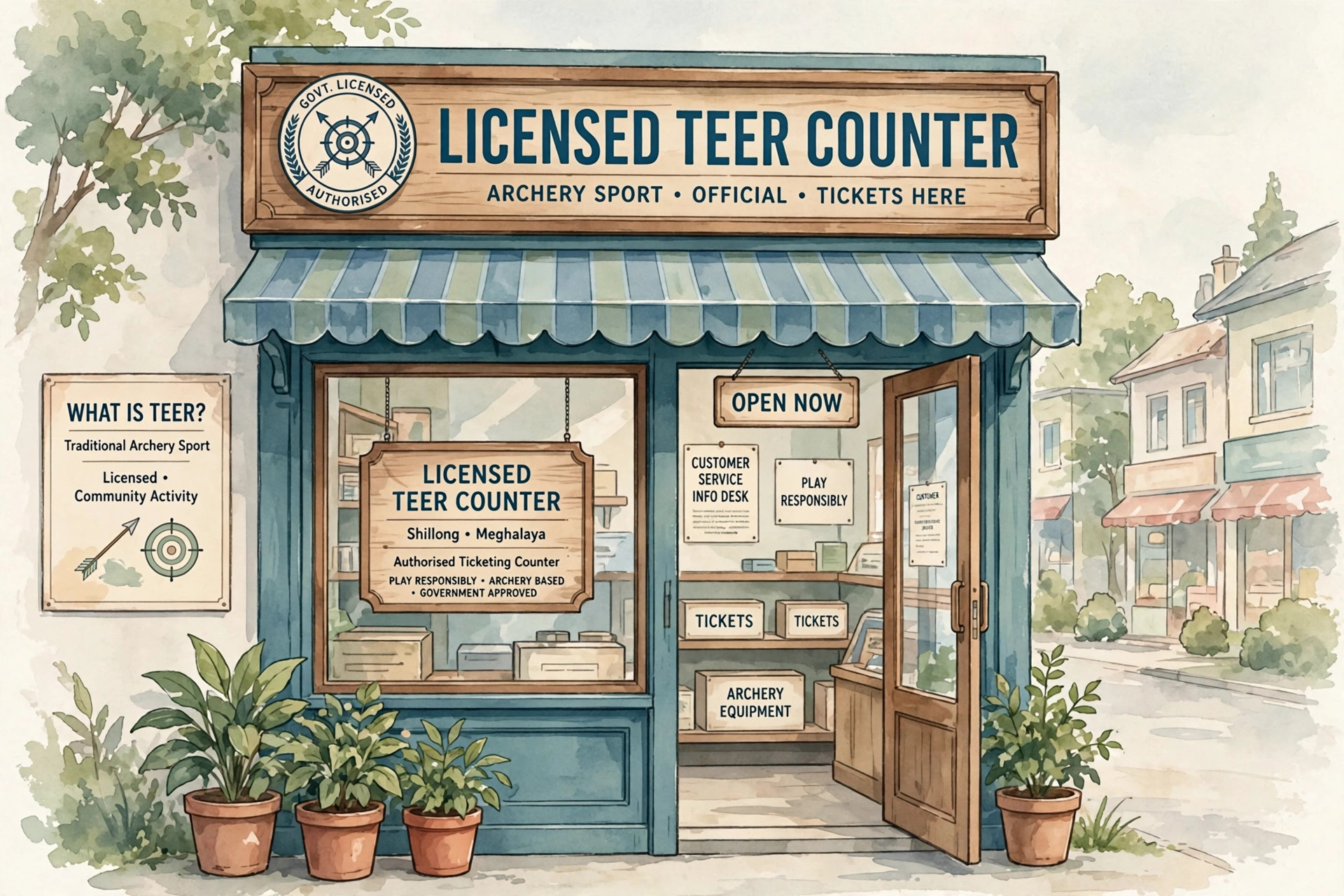
Teer tickets are sold through a network of authorized counters and licensed sellers, mostly concentrated in and around Shillong, Juwai, Khanapara, and Jowai Ladrymbai in Meghalaya. These counters are the only safe place to buy. A genuine counter displays its authorization clearly and issues proper printed tickets with security features.
Buying from an authorized counter protects you in three ways. First, the ticket is genuine and traceable, which matters enormously if you win and need to claim a prize. Second, you pay the correct teer ticket price with no hidden markup. Third, the sale is recorded in the official system, so your ticket is valid for the session printed on it.
Avoid street touts and strangers who offer tickets outside the counter network. Even if their teer ticket price sounds attractive, an unofficial ticket may be invalid, duplicated, or impossible to claim against. If a deal looks too convenient, it probably is. When in doubt, walk to the nearest recognized counter instead.
Teer Ticket Types by Session
Not all teer tickets are identical, because teer runs in multiple sessions each day. The main sessions are morning, day (afternoon), and night, and each session has its own first round (FR) and second round (SR) result declarations. Markets include Shillong teer, Juwai teer, Khanapara teer, and Jowai Ladrymbai teer.
When you buy, the ticket is issued for a specific session and date. A morning-session ticket is valid only for the morning session’s FR and SR results. It does not carry over to the day or night session, and yesterday’s ticket is not valid today. Always check the session and date printed on the ticket before you pay and leave the counter. If the staff hand you a ticket for the wrong session by mistake, point it out immediately so it can be corrected on the spot.
Some players buy tickets for more than one session in a day. That is allowed, but keep the tickets separated and labeled in your mind by session, because mixing them up leads to confusion when results are declared. A simple habit is to keep morning tickets in one pocket or envelope and day or night tickets in another.
How Ticket Sales Work During the Day
Ticket counters generally open well before the first session of the day and sell tickets in the window leading up to each round. Sales for a round close before the archery shooting for that round begins, because the result must be based on tickets sold beforehand. This means you cannot buy a ticket after the round has started and still be eligible for it.
Plan your visit with this in mind. If you want to play the morning session, buy your ticket in the morning sales window. Arriving after the cutoff means waiting for the next session. Counters are usually busiest just before each cutoff, so going a little earlier gives you a calmer experience and time to double-check your ticket.
On Sundays, teer is traditionally not held, and counters remain closed. Public holidays can also affect the schedule. If you travel to a counter on a holiday, call ahead or check the schedule first to avoid a wasted trip. You can follow session timings on our teer result time reference page.
Smart Tips for Buying Teer Tickets
A few disciplined habits make every purchase smoother and safer, whether it is your first ticket or your hundredth.
Step 1 – Decide your budget before you go. Fix a small entertainment budget for teer and stick to it. Never borrow money to buy tickets, and never chase losses by buying more after a losing day. The teer ticket price is low, but small amounts add up fast without discipline.
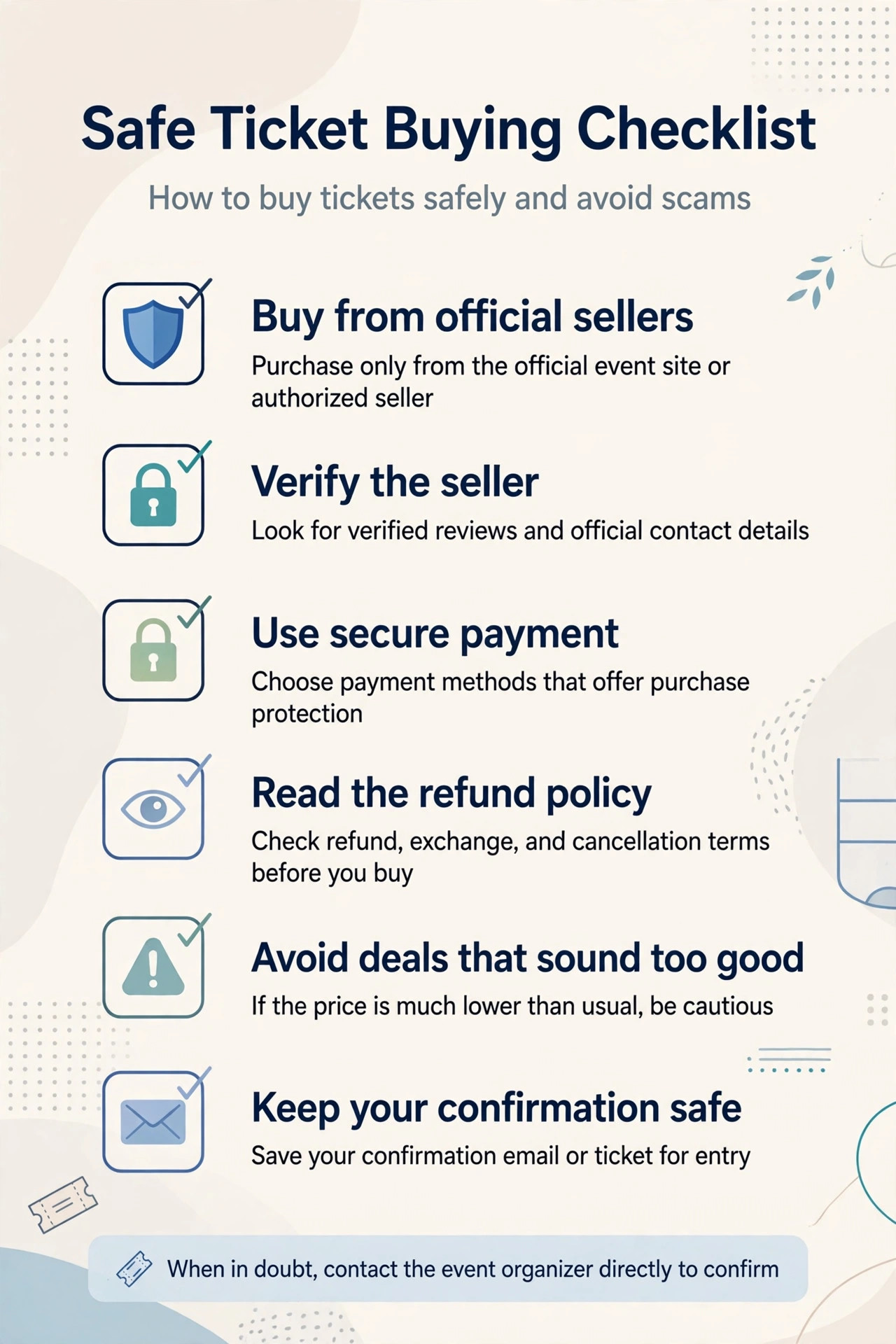
Step 2 – Buy only from authorized counters. Check that the counter looks official and issues proper printed tickets. Refuse tickets from touts, no matter how convincing they sound.
Step 3 – Confirm the session and date. Before paying, read the session and date on the ticket. Make sure they match what you asked for. Errors are easiest to fix at the counter within seconds.
Step 4 – Keep the ticket safe immediately. Put it in your wallet or an envelope right away. Tickets can fade or tear, and a damaged ticket can cause claim problems later.
Step 5 – Keep your purchase receipt if one is issued. Some counters provide a receipt or record of sale. Keep it with the ticket until results are declared and any claim is settled.
These five steps take less than a minute and prevent the majority of ticket-related problems players face.

Teer Ticket Price and Prize Winnings – How They Relate
New players sometimes assume that a higher teer ticket price means a bigger prize, but that is not how teer works. The ticket price is simply the cost of entry. Winnings depend on the prize structure set by the organizers for each round, not on how much you paid beyond the standard price.
What does scale with your spending is the number of tickets you hold. Buying more tickets means more chances in the draw, but it also means spending more, and the odds of any single ticket winning do not improve. Think of each ticket as an independent, low-cost entry. Set your budget first, then decide how many tickets fit inside it, rather than working backwards from a hoped-for prize.
Be skeptical of anyone selling “premium” or “special” tickets at a higher teer ticket price with promises of better odds. There is no such product in the official system. Every genuine ticket for a given session follows the same rules.
Common Ticket Scams and How to Avoid Them
Because the teer ticket price is low and the game is popular, scammers try to exploit buyers. The classic trick is selling fake or photocopied tickets at or below the normal price. These look real at a glance but have no security features and cannot win anything. Always examine the ticket: genuine tickets have clear printing, correct session and date details, and professional quality.
Another scam is the “advance booking” fraud, where someone collects money promising to buy tickets on your behalf and never does. Never hand money to a stranger for tickets. Buy in person at the counter yourself.
A third trick targets winners rather than buyers: fake messages claiming you must pay a fee to release a prize. Real prizes are claimed at authorized counters with the original ticket, and nobody legitimate asks you to pay to receive winnings. If you ever win, read our guide on how to claim teer prize money safely before you act.
Teer Ticket Price for Tourists and First-Time Players
Visitors to Shillong often get curious about teer and want to try a ticket. Tourists are welcome to buy from authorized counters like anyone else, and the teer ticket price is the same for everyone. You must be 18 or older, and you should carry an ID.
If you are visiting, keep your plans simple. Buy a ticket for one session, watch how the process works, and check the result on a reliable page such as our Shillong teer result page. Do not let anyone rush you into buying many tickets or paying extra “tourist prices.” The standard price applies to all buyers equally.
Remember that you need to be present to claim any prize within the claim window, so buying a ticket on the last day of your trip can be risky if you win and cannot return. Factor that into your decision before you buy.
Teer Ticket Price Compared With Other Lottery Games
To put the teer ticket price in perspective, it helps to compare it with other lottery-style games in India. State lotteries in states like Kerala, Sikkim, and Nagaland also sell low-priced tickets through authorized agents, and the basic idea is similar: a small entry cost, a scheduled draw, and prizes claimed with the original ticket. What makes teer different is its archery base. Instead of a machine draw, the result comes from the number of arrows hitting a target, which gives the game its cultural roots in Khasi tradition. You can read more about how lotteries operate across the country in the Lotteries in India overview, and the Meghalaya government portal is the official source for anything related to the state’s regulated games.
The low teer ticket price is part of why the game has stayed popular for decades. It was never designed as a high-stakes gamble for big spenders. It is a community game where small participation is the norm. Understanding this culture helps new players set the right expectations. People who treat teer as cheap entertainment within a fixed budget tend to enjoy it. People who treat it as an investment strategy tend to get hurt. The price is low, but discipline still matters more than the ticket cost.
Another useful comparison is with the cost of the experience itself. For the price of a single ticket, you get the anticipation of the result, the social aspect of discussing the game with friends, and a connection to a living Meghalaya tradition. That is the real value most regular players talk about. The prize is a bonus, not the plan. Keeping this mindset is the simplest form of responsible play, and it works at any budget.
Keeping Records of Your Ticket Purchases
Regular players benefit from keeping a simple record of what they buy. You do not need a complicated system. A small notebook or a notes app entry with the date, session, number of tickets, and total spent is enough. This habit serves two purposes. First, it shows you exactly how much you spend on teer each week or month, which keeps your budget honest. Second, if any ticket goes missing or a dispute arises, your record helps you explain the situation clearly.
Review your records monthly. If your spending is creeping up, that is an early warning sign to cut back. Responsible play means the game stays a small, controlled part of your entertainment spending, never a growing expense. Many experienced players set a weekly cap and stop buying the moment they hit it, win or lose. There is no shame in sitting out a session. The game will still be there tomorrow.
Store old tickets for a reasonable time after results are declared, in case a claim question comes up, then dispose of them. There is no need to hoard losing tickets forever. But never throw away a ticket before the result for its session is declared and you have checked it. A surprising number of “lost” wins are simply tickets discarded too early.
Frequently Asked Questions About Teer Ticket Price
What is the teer ticket price for one ticket?
The teer ticket price is a small, fixed amount set by the organizing body, and it is the same at every authorized counter. Prices can be revised over time, so confirm the current price at the counter itself rather than relying on old information from friends.
Where can I buy a teer ticket?
Buy only from authorized counters and licensed sellers, mainly in and around Shillong, Juwai, Khanapara, and Jowai Ladrymbai in Meghalaya. These counters issue genuine printed tickets at the standard teer ticket price. Avoid street touts and unofficial sellers.
Can I buy teer tickets online?
Teer is traditionally a counter-based game, and you should be very cautious about websites or apps claiming to sell teer tickets online. Many are scams. If you consider any online option, verify its legitimacy extremely carefully, and prefer buying in person at an authorized counter.
Is the teer ticket price the same for morning, day, and night sessions?
The standard teer ticket price generally applies across sessions, since the price is the cost of entry and not linked to the session timing. If any counter quotes different prices per session, ask for an explanation and compare with another authorized counter.
What should I check on the ticket before leaving the counter?
Check the session (morning, day, or night), the date, and the ticket number. Make sure the printing is clear and the ticket looks genuine. Errors are easiest to fix immediately at the counter.
Can tourists buy teer tickets?
Yes, visitors aged 18 and above can buy tickets from authorized counters at the same teer ticket price as everyone else. Carry an ID, buy in person, and remember that claiming a prize requires visiting the counter within the claim window.
What happens if I lose my ticket before the result?
A lost ticket usually cannot be claimed against, because only the original printed ticket is honored. This is why storing the ticket safely from the moment of purchase is so important. Keep it in your wallet or an envelope, away from water and heat.

Conclusion
The teer ticket price is kept affordable by design, but buying smart matters more than buying cheap. Stick to authorized counters, confirm the session and date on every ticket, set a firm budget, and store your tickets safely. These simple habits protect both your money and any future prize claim. Teer is a traditional game meant to be enjoyed responsibly by adults, so keep it fun, keep it small, and never spend more than you can afford. For results, timings, and more guides, visit the Teer Results homepage anytime.